Proactive Nevada Fire Watch Services Improve Preparedness Across Expanding Warehouse Operations

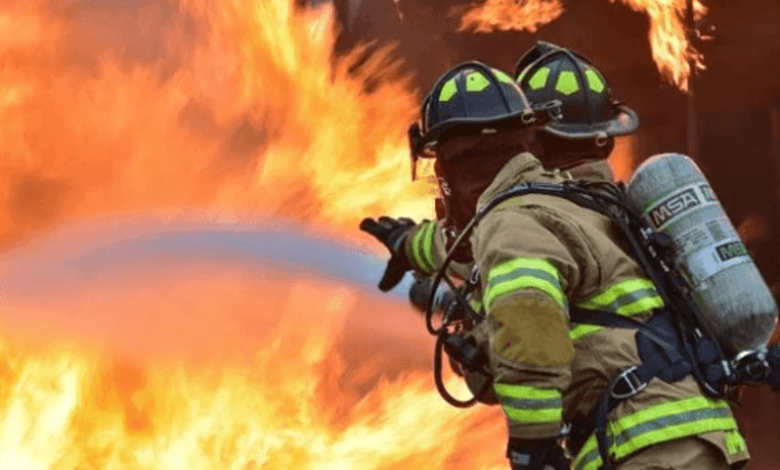
Warehouse growth creates greater responsibility for keeping workers and stored materials protected each day. Large storage buildings often contain busy loading zones plus electrical equipment that require regular attention. Trained personnel inspect assigned spaces while reporting unusual smoke or unsafe conditions before problems become serious. Clear patrol routines also help managers maintain orderly operations during repairs or building changes. Careful preparation keeps temporary safety measures practical until standard protection returns.
Growing Storage Areas Need Oversight
Expanding facilities can create sections that receive less daily attention from regular staff.Temporary storage zones may also change normal movement around the property.
Routine observation helps supervisors notice unusual conditions before risks increase.Clear patrol assignments ensure distant sections receive proper attention throughout operations.
Prepared Teams Support Safer Operations
Fire watch personnel need clear instructions before starting their assigned duties.They should understand exits plus equipment areas while knowing emergency contact procedures.
Managers can update patrol instructions whenever warehouse activities change significantly.This organized approach supports steady awareness throughout temporary safety disruptions.
Daily Patrol Duties Improve Readiness
Warehouse patrols work best when personnel understand exactly where attention is required.Regular observation creates reliable coverage across active spaces plus quieter sections.
- Scheduled rounds help personnel notice smoke before conditions become dangerous.
- Loading areas receive checks during busy periods involving frequent movement.
- Storage sections require observation where combustible materials increase possible hazards.
- Electrical rooms deserve regular attention during equipment repairs or maintenance.
- Exit routes receive checks to keep emergency movement clear throughout shifts.
- Restricted spaces require planned visits despite limited daily worker activity.
- Repair zones need closer observation while protective equipment remains unavailable.
- Written records confirm completed rounds plus important observations for supervisors.
During system interruptions, Nevada fire watch services can provide organized monitoring that supports temporary safety procedures. The main purpose remains early detection plus fast reporting rather than replacing permanent protective equipment.
Clear Records Strengthen Site Coordination
Accurate documentation helps managers understand what happened during every patrol period.Personnel can record inspection times plus observed concerns while noting required actions.
These details support smooth communication between different shifts during extended repairs.Consistent records also prevent important information from disappearing during staff changes.
How Do Planned Patrols Reduce Warehouse Risks?
Planned rounds create a clear routine for checking different parts of a large storage building. Personnel follow assigned routes instead of relying on random observation. This approach helps distant rooms plus busy work zones receive suitable attention. Regular checks also make unusual smells or visible smoke easier to notice before conditions become harder to manage.
Managers gain clearer information when every patrol follows a known schedule. During temporary protection gaps Nevada fire watch services can support this process through steady observation plus documented reporting. Reliable communication then helps responsible teams decide when further action is required.
Changing Operations Require Flexible Monitoring
Warehouse conditions rarely remain the same during expansion work.New storage areas or maintenance tasks may require revised patrol routes.Regular reviews help responsible teams match monitoring duties to current conditions.
Common Safety Questions For Warehouse Managers
Managers often need simple answers when temporary monitoring becomes necessary.The following points address common concerns about warehouse fire watch arrangements.
- When should temporary monitoring begin? Coverage starts when protection becomes unavailable.
- Who completes regular patrols? Assigned trained personnel perform scheduled observation duties.
- Where should patrols concentrate? Higher concern locations receive more frequent checks.
- When can monitoring stop? Coverage ends after protection returns to service.
- What should records include? Logs document times plus locations plus observations.
- How are concerns reported? Personnel follow established emergency communication procedures immediately.
These answers provide basic guidance rather than replacing requirements set by local authorities. Property managers should follow applicable instructions for their specific building plus the current situation.
See also: Performance Revenue Model 5033059044 for Business Success
Organized Planning Supports Reliable Warehouse Safety
Warehouse expansion introduces changing layouts plus new working areas that require careful oversight. Managers should review patrol needs whenever storage arrangements or repair activities change. Clear responsibilities reduce uncertainty while helping personnel understand where their attention matters most. Regular communication also keeps maintenance teams informed about conditions observed during temporary monitoring.
Preparation works best when procedures remain simple enough to follow consistently. Complicated routines may create confusion during busy operating periods. Practical schedules plus accurate reporting create a stronger foundation for responsible temporary protection.
Steady Oversight Builds Lasting Readiness
Large warehouse operations need dependable routines whenever normal fire protection becomes interrupted. Clear patrol duties plus useful records help teams maintain awareness across changing work areas. Managers can improve readiness by reviewing temporary procedures as facility conditions develop. Strong coordination also ensures concerns reach responsible people without unnecessary delay. Consistent execution matters more than creating a perfect process because dependable daily action provides the practical control needed during unexpected safety disruptions.